A beautiful room helps, but the practical details carry a community event. Guests need to arrive easily, find check-in, hear the program, and leave without confusion — and vendors and volunteers need load-in, power, and someone to ask.

Choose a community event venue by starting with what the gathering is meant to do, then checking the practical pieces against it: flexible layout, parking and arrival, vendor load-in, food flow, accessibility, AV support, and clear written rental terms. The category of venue matters far less than whether the space helps people gather well.
Start With Purpose
Name what the event is meant to do before you look at a single room. If the goal is giving, the donation or auction path has to be easy. If it's education, sightlines and sound come first. If it's community connection, leave room for conversation. The room should serve the purpose rather than forcing the event into an awkward shape around it.
Different gatherings ask for genuinely different things from a space.
| Event | What the Room Needs | Easy to Miss |
|---|---|---|
| Fundraiser dinner | Dinner seating, sponsor recognition, auction tables, check-in, and sound support. | A clear giving moment, and a path to the donation table that isn't behind the buffet. |
| Vendor market | Booth rows, power access, wide aisles, outdoor overflow, and a load-in plan. | Where vendors park all day, and where empty boxes go once they've unpacked. |
| Workshop | Tables, chairs, Wi-Fi, presentation space, and somewhere quieter to focus. | Refreshment breaks, which need their own space away from the tables. |
| Outreach event | Resource tables and presentation space, with room to talk one-to-one. | Somewhere private enough for a conversation nobody wants overheard. |
| Seasonal celebration | Indoor seating with outdoor areas for photos and fresh air. | The route between the two, especially after dark. |
| Appreciation dinner | A polished room that still feels warm, with space for brief remarks. | Sound, because the whole point is that people hear the thank-you. |
Once the purpose is clear, venue conversations change. You stop asking only whether a date is free and start asking whether the space helps people gather well.
A Flexible Room
Community events change as planning develops. A sponsor table appears. A speaker needs more space. The silent auction grows. The caterer wants a different serving path. Volunteer check-in becomes necessary in week three. A flexible layout lets organizers absorb all of that without the room ending up looking patched together.
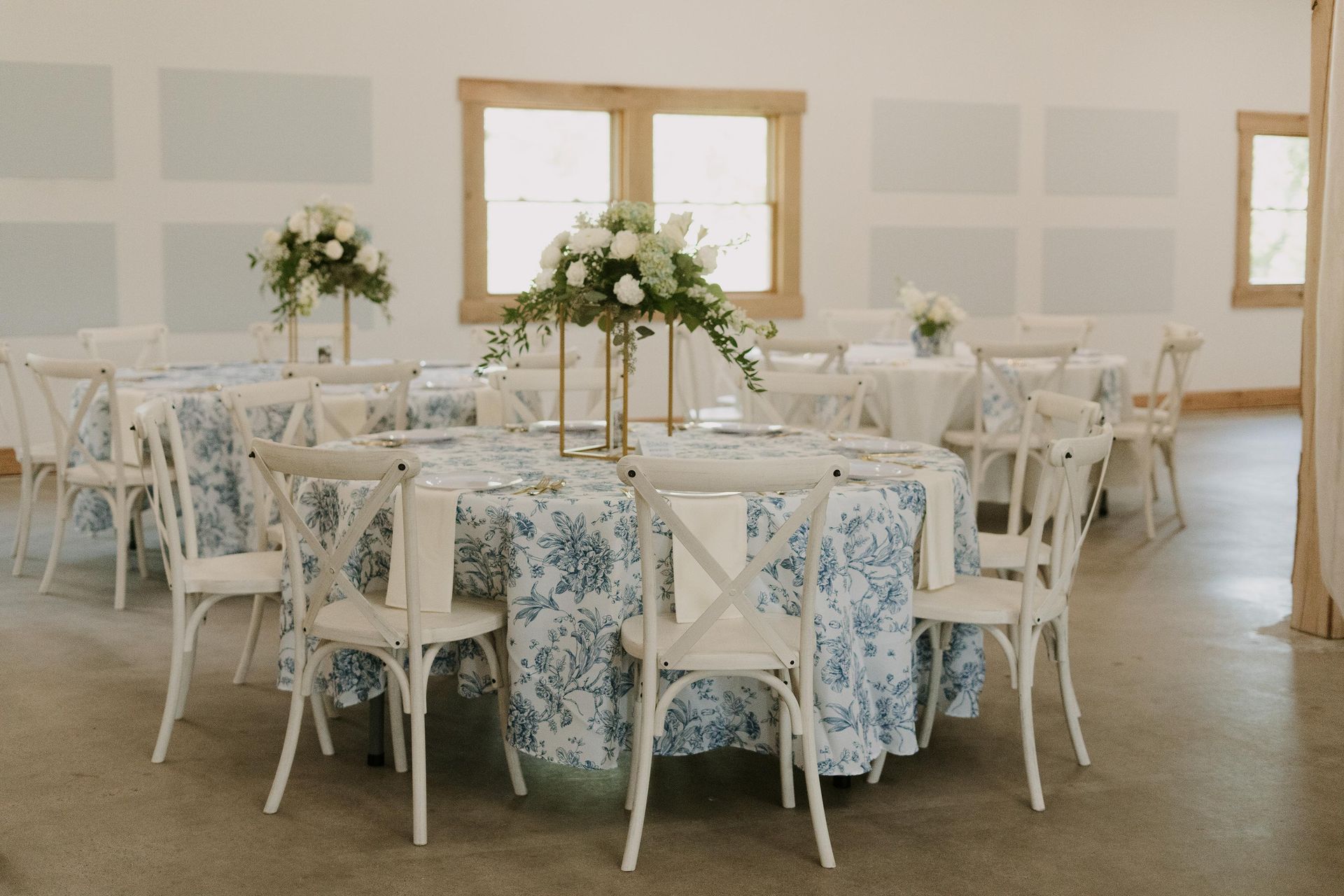
The community events venue at The Covenant Place lists a customizable floor plan, indoor restrooms, heating and air conditioning, Wi-Fi access, catering or banquet space, on-site parking, a courtyard, a flower garden, and a pergola. That combination gives organizers several ways to shape a gathering without losing guest comfort along the way.
When you tour any Marion venue, bring a rough sketch rather than just a guest count. Mark the entrance, check-in table, food area, seating, stage or speaker position, sponsor tables, vendor booths, restrooms, exits, and any outdoor space you're hoping to use. It doesn't need to be neat. It needs to be specific enough that the venue team can tell you what won't work while the plan is still easy to change.
Arrival and Load-In
Guest experience starts in the parking area. If arrival feels uncertain, people carry that uncertainty into the room with them. Clear signs, a visible entrance, someone directing traffic, and a friendly check-in point settle an event before it starts.
Ask where guests park, where vendors unload, whether volunteers can direct traffic, where the entrance should be marked, and where check-in or ticket scanning happens. If a crowd will arrive just before a program starts, put check-in somewhere the line won't block the door. The event pages list convenient on-site parking, and the wedding packages include a parking crew — but that's a wedding inclusion, so ask what staffing and parking support come with your specific event rental rather than assuming it carries across.
Then plan for everyone who arrives before the guests. Vendors unloading, volunteers collecting instructions, speakers testing equipment, sponsors setting up displays. Ask where vendors enter, where supplies can be staged, when setup can begin, and where empty boxes, carts, signage, and personal bags live during the event itself. Give volunteers one place to check in, collect name tags, and ask questions — an event runs far better when helpers aren't solving the same problem in five corners of the room.
Food Flow
The food can be simple. The food flow should never be vague. A fundraiser dinner, a market snack table, a coffee station, a buffet, boxed lunches, and a dessert reception each want a different setup.
Ask where food is staged, where guests will queue, how trash is handled, whether water or coffee stations need power, and where catering staff can work without crossing the program. If guests will be eating while someone is speaking, think about service noise and movement — a well-run buffet can still pull a room's attention away from a donor story.
The event pages list catering or banquet space, and catering tables appear among the wedding package furniture. Confirm which spaces, tables, and service pieces come with the rental option you're actually choosing.
Access Comes First
Community events should be easy to attend for as many people as possible, which means access belongs in the first venue conversation rather than the last. Ask about restroom access, ramps, seating options, walking surfaces, lighting, heating and cooling, and the weather backup before you promote the event — not after someone has registered.
The event FAQ at The Covenant Place lists:
- Wheelchair accessibility throughout.
- Ramps where they're needed.
- Mats for easier gravel access to the courtyard.
- Accessible restrooms.
Those details matter for nonprofit events, fundraisers, family gatherings, educational programs, senior groups, and any public event where organizers can't know every guest's needs in advance — which is most of them.
Comfort is part of the same question: the temperature of the room, the distance from parking to the entrance, how easily people find the restrooms, and whether someone can sit down when they need to. A community event shouldn't make anyone work hard to take part.
Then communicate it. If the event is public, give people a way to ask access questions before they arrive. If registration is required, include a field for accommodation needs, dietary notes, or mobility questions. Pre-event messaging should name the arrival time, the entrance, the parking plan, the seating style, what food to expect, and who to contact. On the day, signs should be readable and volunteers should know how to direct people without guessing. For any outdoor or courtyard portion, be specific about the walking surface and the route from the car park — a lovely outdoor moment only works if guests can reach it comfortably.

Sound Before Decor
Some events need microphones, music, screens, projectors, registration laptops, sponsor slides, and presentation audio. Others need background music and two announcements. Decide which you are early, because AV shapes layout, power, vendor arrival, and rehearsal time.
The event FAQ is clear that on-site audio-visual equipment isn't currently offered for rent — organizers are welcome to bring their own or arrange it through an outside vendor. If your event depends on sound or projection, that makes a few questions urgent rather than optional: what power access exists where you need it, how much setup time you'll have, where equipment can be placed, how cords will be run safely across guest paths, and who is testing everything before doors open.
For any event with a speaker, sound outranks decor. If people can't hear the welcome, the auction instructions, the donor story, the teaching, or the closing announcement, the event loses its focus regardless of how the room looks. Treat AV as hospitality.
A Simple Run of Show
Even a casual gathering benefits from a run of show. It doesn't need to be elaborate — it needs to name the order of the day and who owns each moment, so decisions don't get made in hallways while the room fills up.
Get It in Writing
Before booking, get clear on what the rental includes and what costs extra:
- Hours, and whether setup and teardown sit inside them or outside them.
- Staffing, and which roles are included versus billed.
- Tables, chairs, and any furniture you were planning not to rent.
- Cleaning expectations, and who is responsible at what point.
- Security, insurance, and taxes.
- Vendor requirements, and any limits that could affect your plan.
The event packages page publishes private event rental options, including a smaller catering-area option and a complete-venue option for non-wedding events. Check the live page and request a written quote for your event type, date, guest count, and hours before you promote tickets, sponsor packages, or vendor booth sales — those three things are very hard to walk back once they're public.
Written details protect the organizer, the venue, and the guests alike. They also make everything easier to plan with volunteers, sponsors, caterers, speakers, and outside rental vendors, all of whom will ask you the same questions.
Frequently Asked Questions
What should I look for in a Marion community event venue?
The right guest fit, a flexible layout, parking, restrooms, accessibility, food setup, vendor load-in, Wi-Fi, a weather backup, and clear rental terms in writing.
What types of community events can be held at a venue?
Commonly workshops, trade fairs, local markets, charity events, fundraisers, nonprofit gatherings, outreach events, seasonal celebrations, vendor events, educational programs, and appreciation dinners.
How early should I talk to a venue about layout?
Before booking, if the event depends on vendors, food service, presentations, auction tables, sponsor displays, or outdoor areas. Early layout conversations prevent crowding and catch setup needs while they're still fixable.
Do community events need AV equipment?
Some do, some don't. If you need microphones, screens, speakers, music, or presentation equipment, ask what's available on site and what has to come from an outside rental vendor. At The Covenant Place, AV equipment isn't offered for rent, so organizers bring their own or arrange it externally.
Can a wedding venue work for community events?
Yes, where the venue offers private or community event rentals and the layout suits the gathering. Ask about rental categories, included spaces, guest count, accessibility, vendor setup, and what support applies to your event type specifically.
Planning a fundraiser, market, workshop, or community gathering near Marion? The practical questions — capacity, layout, load-in, accessibility, AV, and written rental terms — are the fastest route to knowing whether a space fits the event you're building.