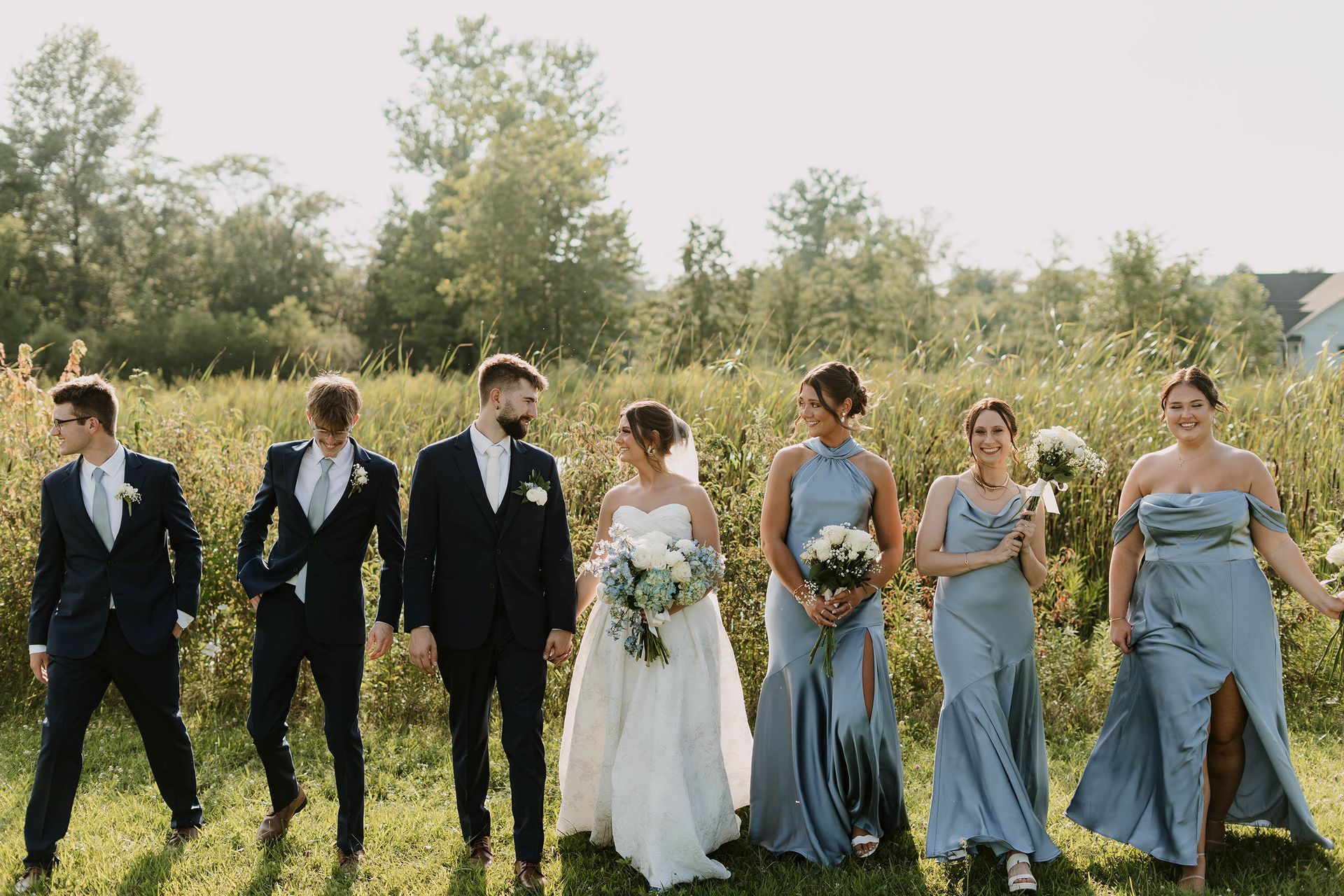
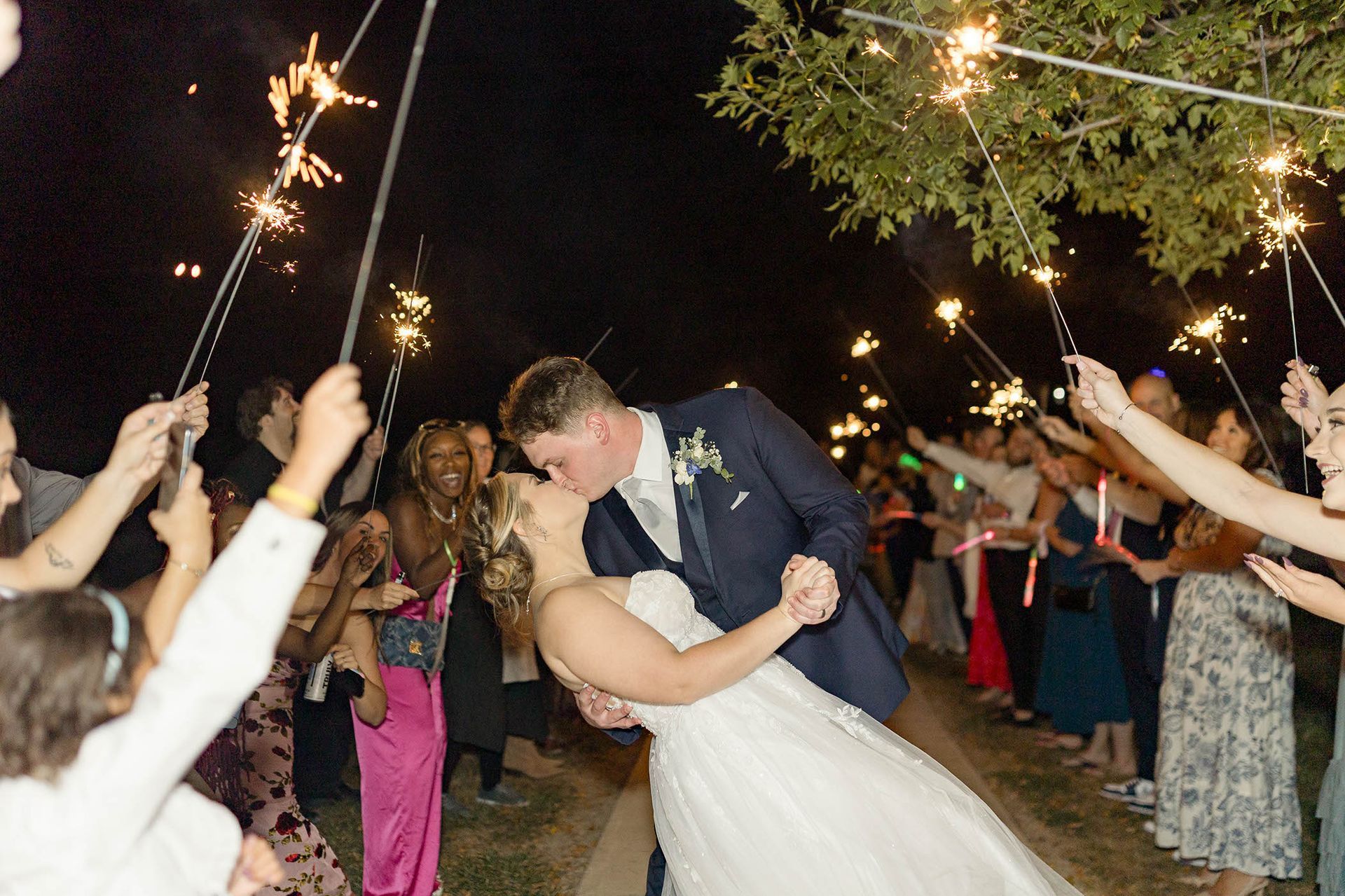
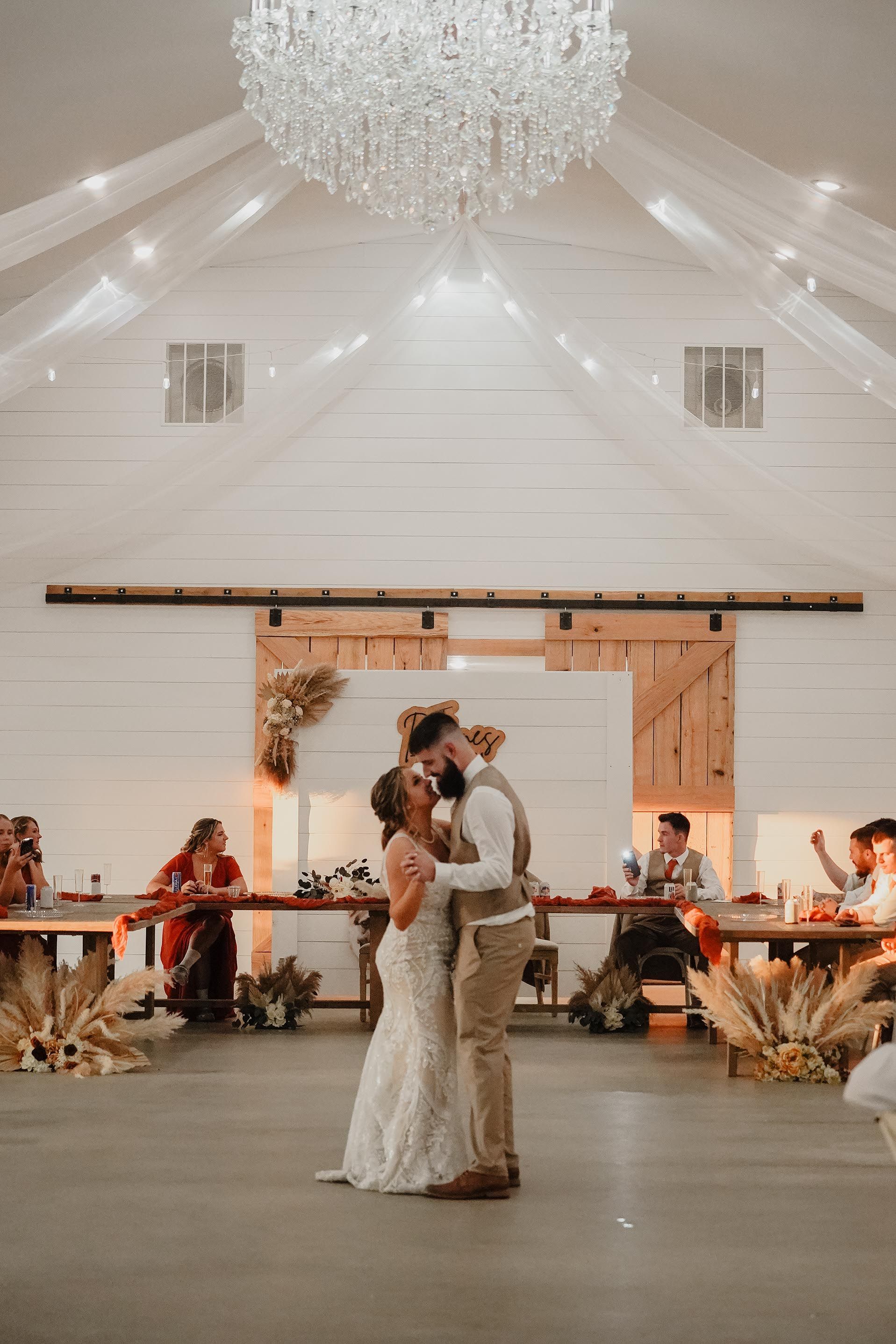
Outdoor ceremony planning should include seating, processional path, sound, weather backup, guest movement, photo timing, and indoor transition details.
Planning an outdoor ceremony in Indiana means accounting for weather backup, seating, aisle flow, sound, vendor access, guest movement, photo timing, parking, restrooms, and how the ceremony hands off to the reception. A strong venue plan lets you enjoy the outdoor setting while knowing exactly where everyone goes if rain, heat, wind, or timing changes things.
Outdoor Beauty Needs a Practical Plan
An outdoor ceremony feels effortless when the logistics were solved early. Guests see the aisle, the garden, the pews, the arch, the flowers, and the couple. Behind that experience sit decisions about parking, paths, seating, sound, shade, restrooms, vendor setup, processional timing, and the weather backup. A beautiful outdoor space still needs an operating plan.
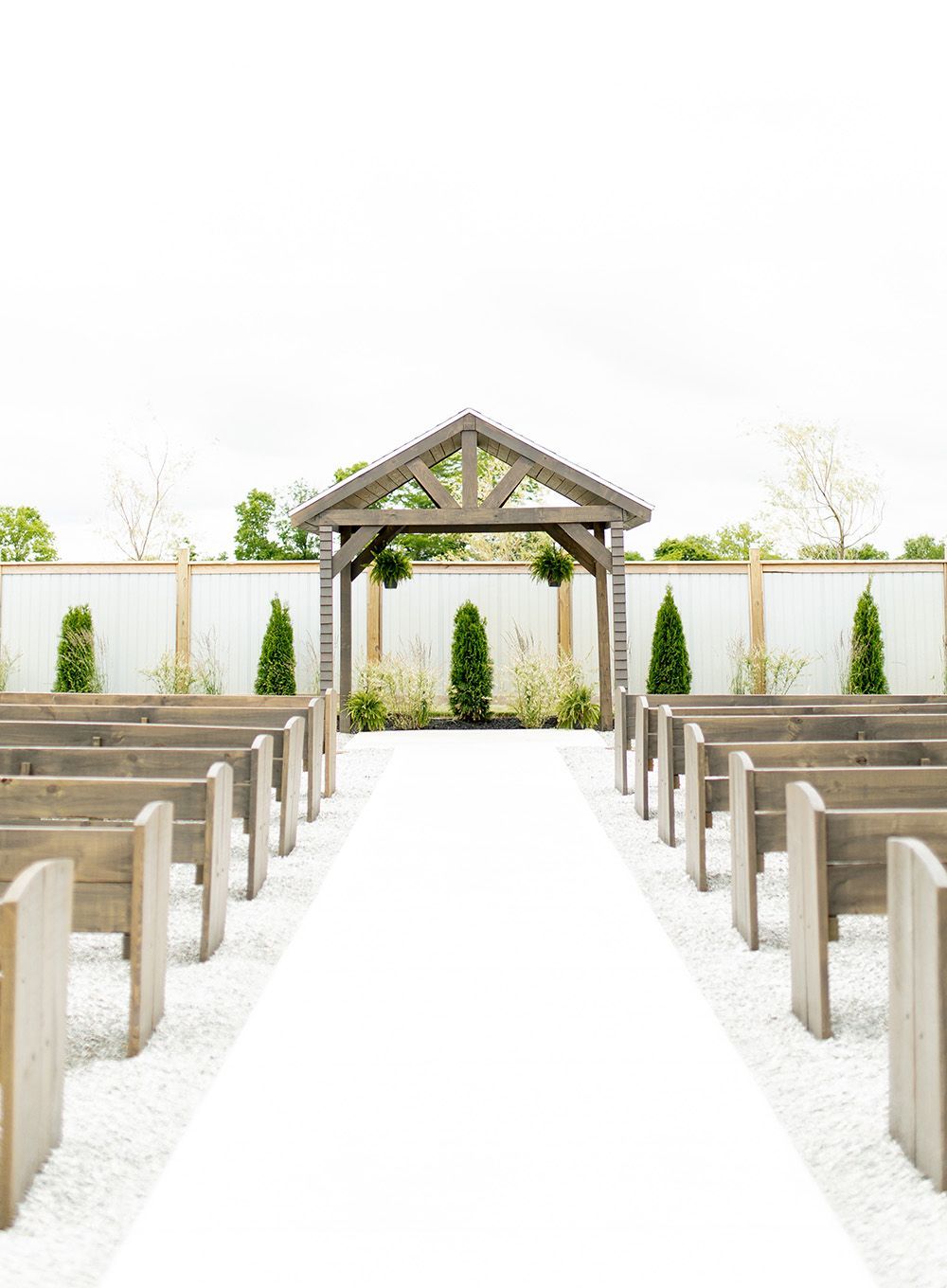
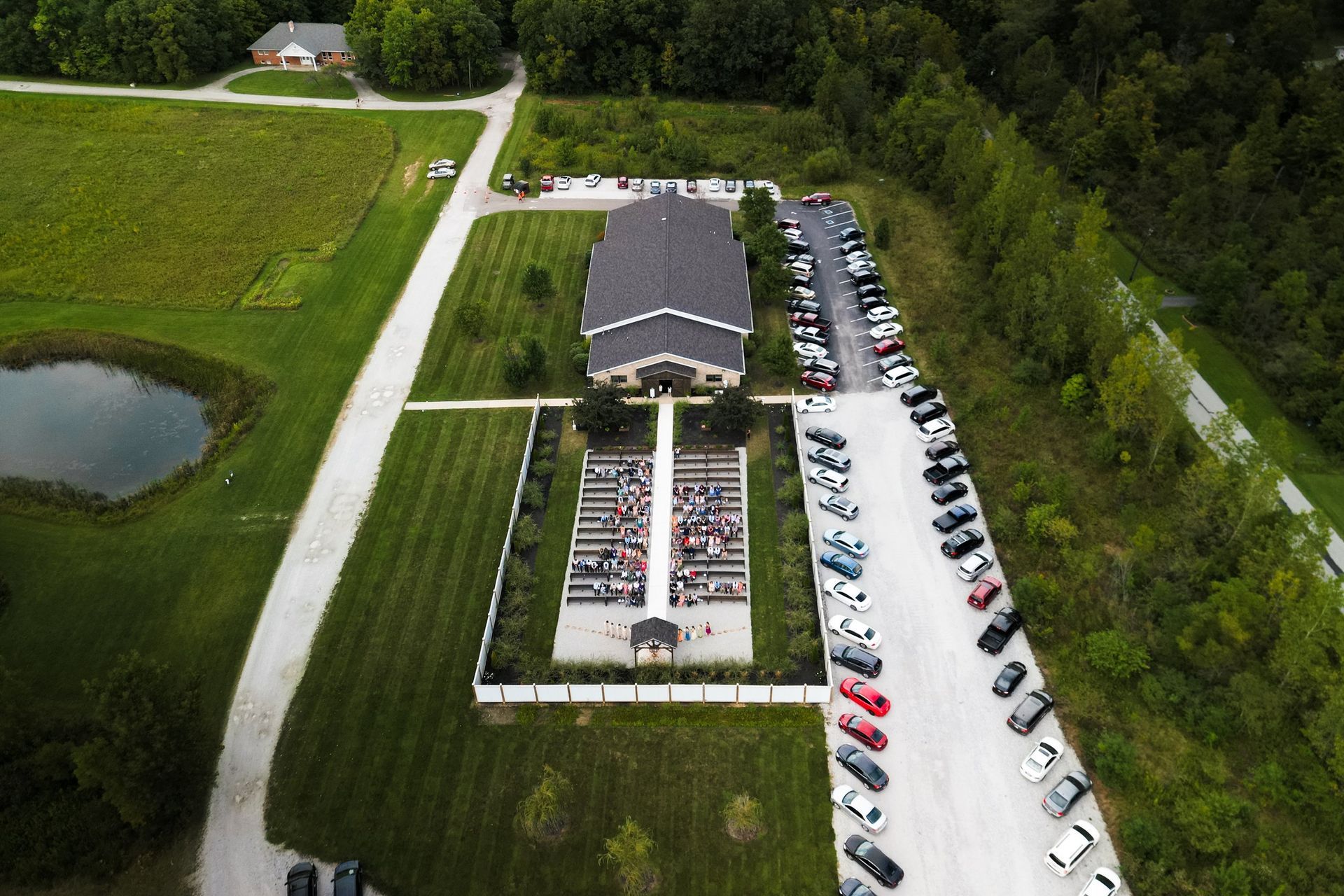
Some of that is already answered by the space itself. The outdoor courtyard at this modern barn venue seats up to 350 in handcrafted wooden pews, enclosed by a fence with flower garden landscaping around it. A pergola serves as the altar, stepping stones are laid for the bridal party, and barn doors mark the head of the aisle for the bride's entrance. Built-in details like those remove a whole category of rental decisions — but you still have to decide how the ceremony works for your guests, your vendors, and the weather.
Decide the Weather Backup Before the Wedding Week
A rain plan should never be a last-minute argument. Ask where the indoor backup ceremony happens, who makes the weather call, when the decision gets made, how guests are notified, where vendors move, and how the decor changes if the plan goes inside. The backup should feel like a real ceremony, not a storage option.
Here, the indoor backup is the main reception hall — the same room that seats 350 under the chandelier, large enough to hold the ceremony and the reception together if the weather turns. The building is climate controlled, which matters in an Indiana August as much as it does in February.
| Outdoor Detail | Planning Question | Why It Matters |
|---|---|---|
| Guest seating | Are seats already in place, and how many can the setup hold? At The Covenant Place, wooden pews are permanent and the courtyard holds up to 350. | Prevents crowding and late seating changes. |
| Aisle and processional | Where does the wedding party enter and wait? | Keeps movement calm and photo-ready. |
| Sound | Where do speakers, microphones, music, and the officiant sit? | Guests need to hear vows, readings, and cues. |
| Weather backup | Where is the indoor ceremony, and when is the decision made? | Avoids rushed changes and uncertain vendor instructions. |
| Guest transition | How do guests move from ceremony to reception? | Keeps cocktail hour and reception timing on track. |
Guest Flow Separates Pretty From Comfortable
An outdoor ceremony should be easy to follow without constant direction. Guests need somewhere obvious to park, a clear path to the ceremony, visible seating, accessible routes where needed, nearby restrooms, and a smooth movement pattern once the ceremony ends. If they have to cross vendor loading paths, hunt for entrances, or wait while furniture gets moved, the whole setting reads as less polished than it is.
The best way to find the gaps is to walk the venue as a guest would, in order:
Photos, Timing, and Vendor Setup
Ceremony location, sun direction, background, aisle length, and processional path all shape the photo plan. Ask your photographer when the light is best at your venue and how much time is needed between getting ready, the first look, the ceremony, family photos, and the reception entrance.
Vendors need the same attention. Florists, musicians, planners, photographers, videographers, officiants, and rental teams all need to know when they can access the space, where they can place things, what power is available, and — critically — what happens to their setup if the ceremony moves indoors. A 7am to midnight access window, as published in the wedding packages here, is what makes an unhurried load-in and a workable rain plan possible on the same day.
Ask one question most couples forget: if the ceremony moves inside, who physically moves the florals, the signage, and the sound gear — and is that time already in the vendor contracts?
Questions for the Venue Tour
- Where exactly does the ceremony happen? Stand at the aisle, the altar, and the guest seats so the layout stops being abstract.
- What is the backup ceremony location? Ask to see it, set up in a realistic way rather than described.
- When is the weather decision made? The timing has to give vendors enough notice to reset.
- How do guests move after the ceremony? Walk the path to cocktail hour, photos, or the reception yourself.
- What should vendors know early? Access windows, power, decor rules, sound, parking, and setup timing.
Put It in Writing Before You Book
Before you book, the package conversation should become a written plan. That plan should name the date, season, access hours, included spaces, furniture, setup rules, rehearsal timing, vendor requirements, alcohol policy, ceremony backup, decor limits, cleanup expectations, taxes, and the person who answers planning questions once the contract is signed. The written version matters because planning moves fast the moment a date is reserved.
A tour can make you fall in love with a venue, but the contract keeps the day organised. Take notes during the walkthrough, then compare them against the package page and the agreement before paying a deposit. If a detail affects budget, guest comfort, vendor timing, or weather backup, it shouldn't live only in memory.
Save the package page or written proposal used during booking, too. If access windows, pricing, or venue policies change later, that record brings everyone back to the same assumptions.
Frequently Asked Questions
What should an outdoor wedding ceremony plan include?
Seating, aisle flow, sound, weather backup, guest movement, restrooms, vendor access, photo timing, parking, and the transition into the reception.
Does The Covenant Place have an indoor backup option?
Yes. An indoor ceremony space is available if weather affects the outdoor plan, and the main hall is large enough to host both the ceremony and the reception.
When should couples make the rain-plan decision?
Ask the venue when the call is normally made, who makes it, and how vendors and guests get notified. The answer should give vendors enough notice to reset.
How can guest flow be improved for an outdoor ceremony?
Walk the guest path from parking to ceremony to reception, then check signage, seating, accessibility, restrooms, and post-ceremony movement.
An outdoor ceremony should feel beautiful because the logistics were handled long before the day. The Covenant Place offers four acres of gardens, a courtyard that seats 350 in permanent pews, indoor backup in the same building, and spaces that carry the rest of the wedding day.