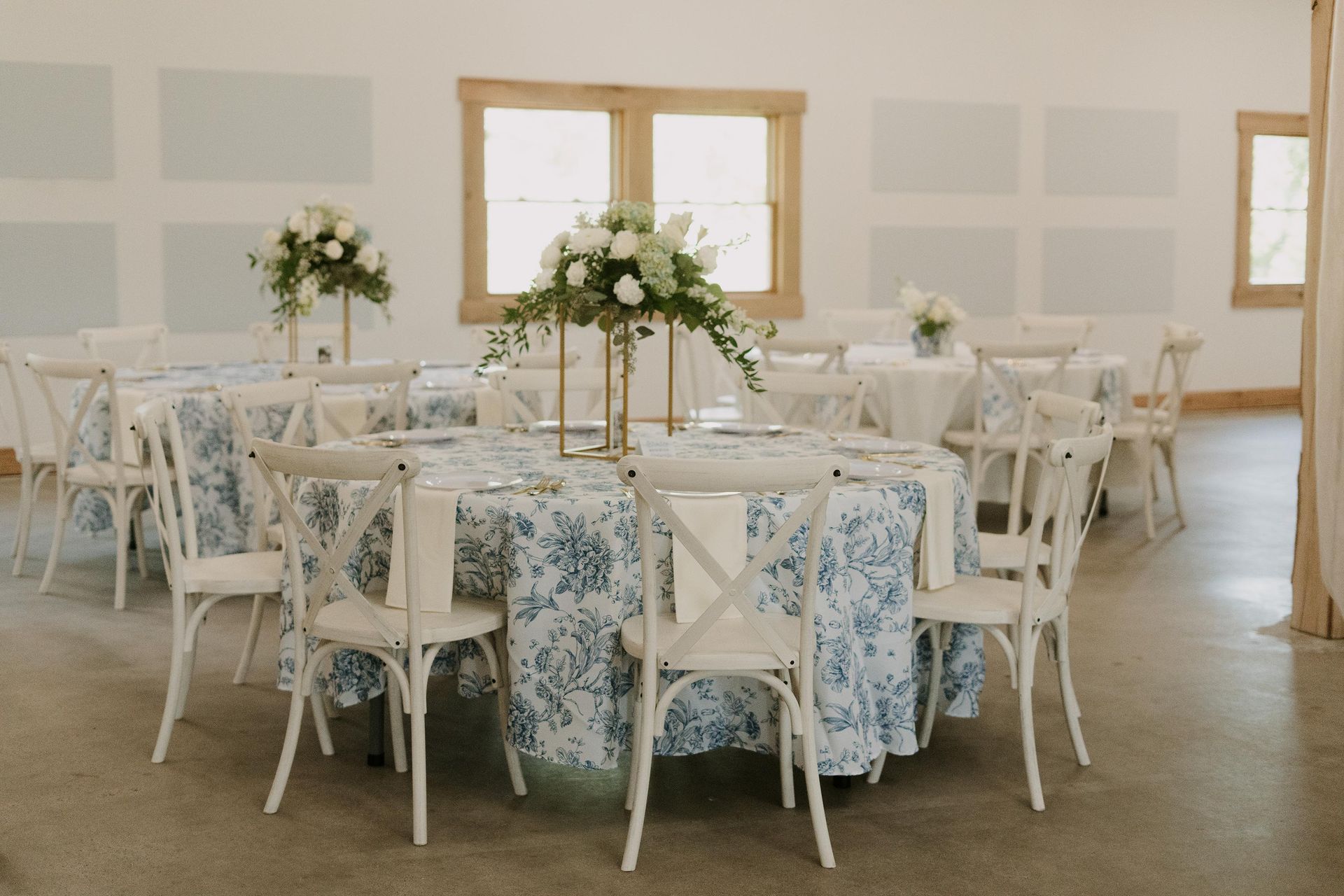
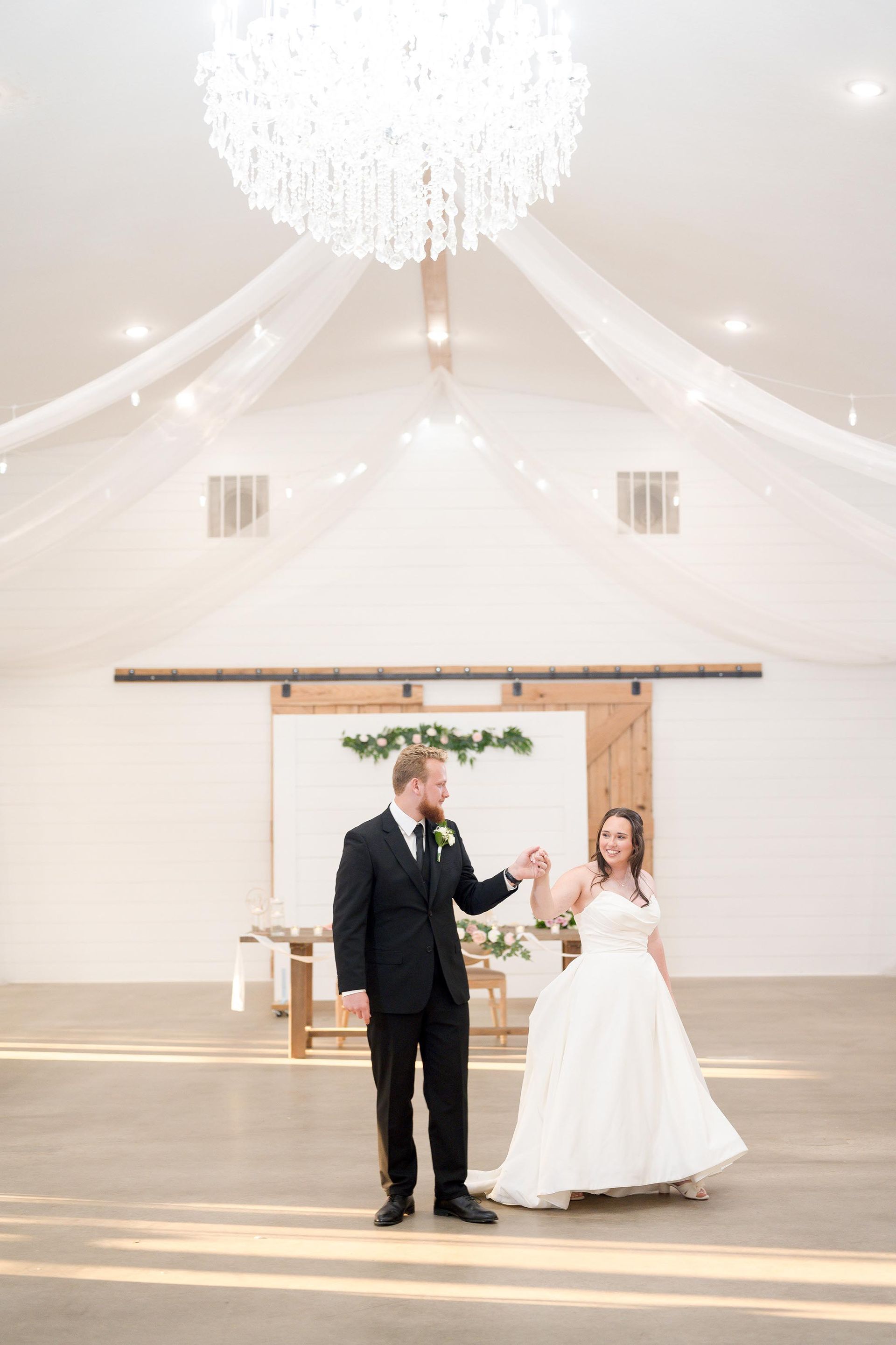
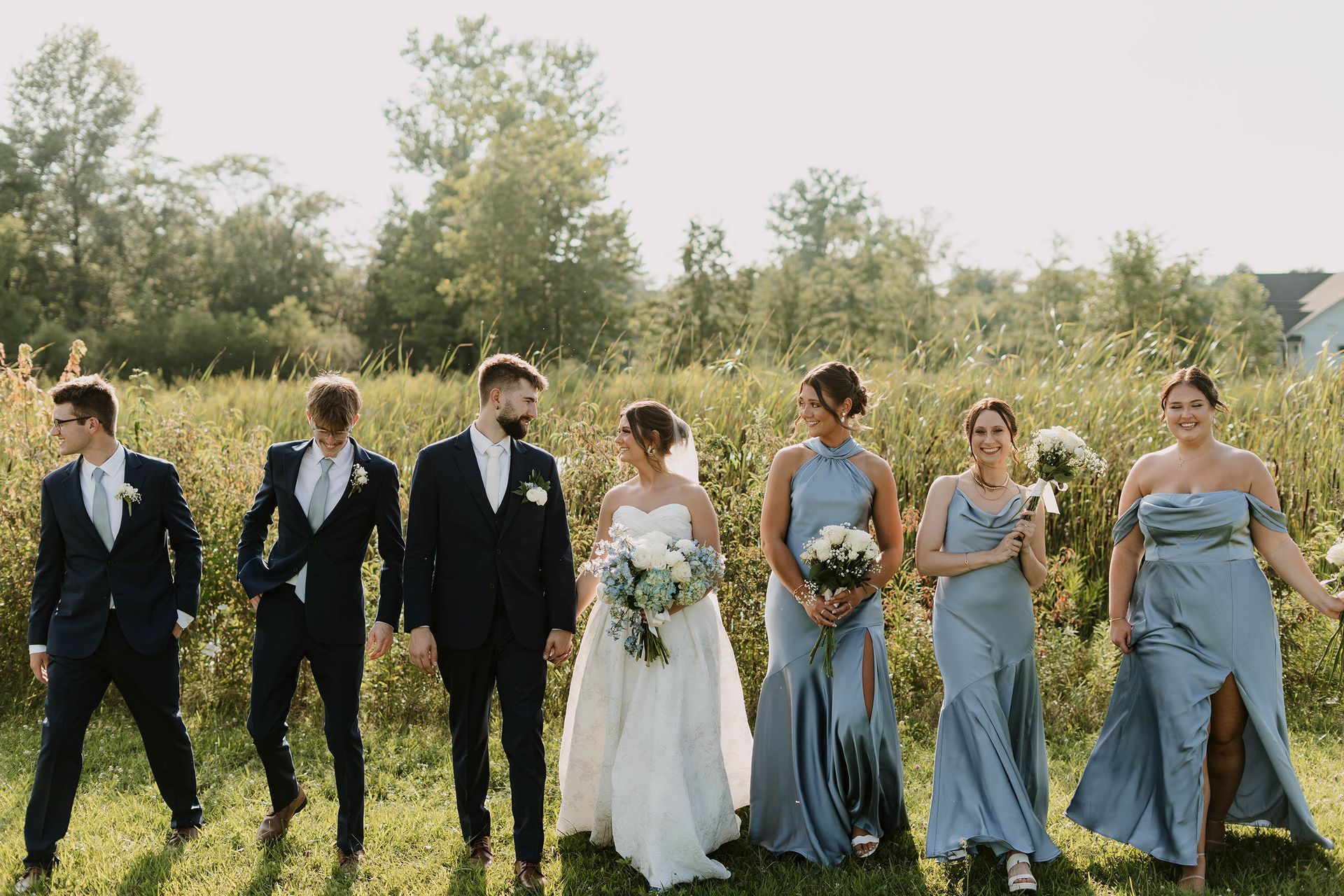
Couples should book once the date, guest count, package fit, budget, ceremony plan, and vendor needs are clear enough to commit.
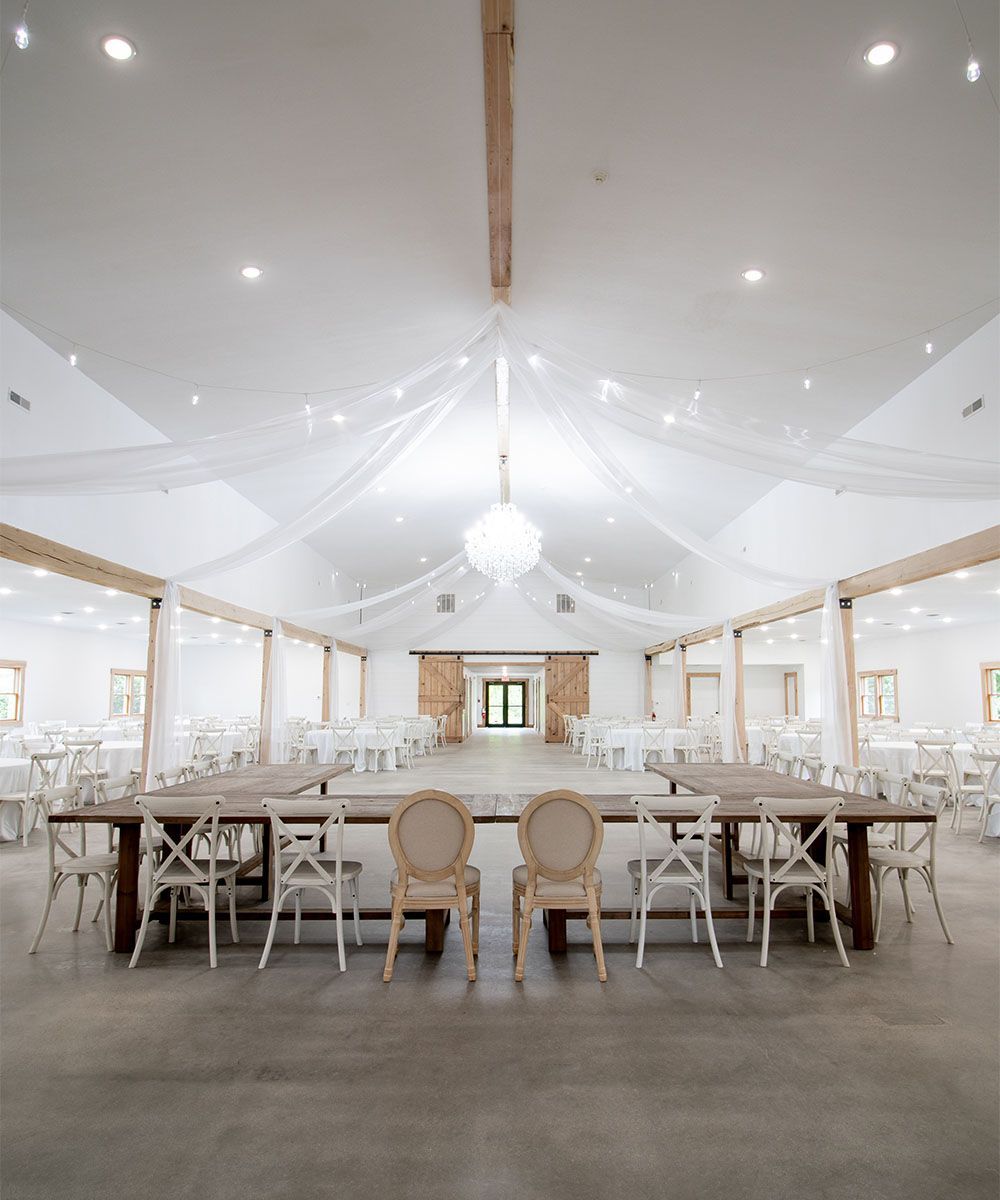
Book an Indiana wedding venue once you have a realistic guest count, a budget, a date range, a ceremony preference, a package that fits, and comfort with the contract. High-demand Saturdays and peak seasons need earlier action; weekday or off-season dates leave more room. The best timeline starts with venue fit, then moves outward to vendors, layout, and detailed planning.
Book When the Decision Is Real
Couples often want a magic booking month, but the better answer is about readiness. You're ready when you understand your likely guest count, preferred season, budget, must-have spaces, package inclusions, ceremony plan, vendor needs, and what the contract asks of you. Booking too early without those basics creates changes later. Waiting too long limits which dates are still open.
For a reference point rather than a rule: The Covenant Place reports that couples book about a year in advance on average. That's a useful anchor, not a deadline — the right moment is when the decision is genuinely made rather than when a calendar says so.
The venue is usually the first major decision because it sets the date, guest capacity, ceremony style, reception flow, vendor logistics, decor, lodging, and photography. Once it's chosen, the rest of the planning calendar organises itself around it.
Date Demand Changes the Timeline
Saturdays in popular seasons move faster than weekday, Sunday, winter, or flexible-date weddings. A couple with one exact date should tour and decide earlier than a couple holding several options. Large guest counts, specific vendors, or an outdoor ceremony vision all argue for more runway, because the venue decision gates other vendors' availability.
Pricing structure is a useful early signal here. Because rates are published by season and day — see the full breakdown in our wedding venue cost guide for Indiana — you can compare date choices before you ever book a tour. It's a reminder that the date isn't just a calendar box. It shapes pricing, weather, guest travel, photos, vendor availability, and the rhythm of the whole day.
| Stage | What to Decide | Why It Matters |
|---|---|---|
| Before touring | Guest count range, season, date flexibility, ceremony preference, and rough budget. | Keeps tours focused on realistic options. |
| During tour | Spaces, flow, package inclusions, backup plan, access, vendor rules, and pricing. | Shows whether the venue fits the actual day. |
| Before booking | Contract, deposit, date, package, taxes, alcohol rules, and cancellation terms. | Prevents avoidable surprises. |
| After booking | Photographer, catering, planning team, music, florals, lodging, attire, and timeline. | Lets the venue decision anchor the vendor calendar. |

Tour With a Timeline in Mind
A tour should let you picture the day from morning to night. Ask where each person gets ready, where vendors enter, where the ceremony happens, where guests go afterwards, how the reception is laid out, where the dance floor sits, how catering works, and where photos happen. A venue can be beautiful and still make for a stressful day if the timeline doesn't work.
At this modern barn venue, the reception hall, outdoor courtyard, bridal suite, groom room, and catering space are all on one property, and the suites open at 7am on the day of rental. Tour those spaces in the order you'll actually use them — arrival, getting ready, ceremony, reception — and the planning timeline stops being abstract.
Contract Questions Before the Date Is Held
Before booking, confirm the package, access hours, included furniture, rehearsal window, vendor rules, alcohol requirements, decor limits, backup ceremony plan, payment schedule, taxes, cancellation terms, and who you contact as the date approaches. If a detail matters enough to affect budget or timeline, it belongs in the contract or in written planning notes. Our full list of questions to ask a wedding venue covers the rest.
Payment structure deserves particular attention, because it determines what you owe and when. At The Covenant Place, payment splits into three: a 50% deposit due at contract signing, 25% at six months before the event, and the remaining balance 60 days out. The deposit is non-refundable, though the second and third payments aren't required if you cancel before they come due. Knowing that shape ahead of time is the difference between a deposit feeling like a commitment and feeling like a shock.
One step most couples skip: check availability before you book a tour. At The Covenant Place you can ask the director by email or text whether your date is open, which saves a visit if it isn't.
And ask about alternates while you're there. A Friday or Sunday either side of your first choice is often available when the Saturday isn't — and priced lower.
A Simple Planning Flow
Put It in Writing Before You Book
Before you book, the package conversation should become a written plan. That plan should name the date, season, access hours, included spaces, furniture, setup rules, rehearsal timing, vendor requirements, alcohol policy, ceremony backup, decor limits, cleanup expectations, taxes, and the person who answers planning questions once the contract is signed. The written version matters because planning moves fast the moment a date is reserved.
A tour can make you fall in love with a venue, but the contract keeps the day organised. Take notes during the walkthrough, then compare them against the package page and the agreement before paying a deposit. If a detail affects budget, guest comfort, vendor timing, or weather backup, it shouldn't live only in memory.
Save the package page or written proposal used during booking, too. If furniture counts, access windows, pricing, or venue policies change later, that record brings everyone back to the same assumptions.
Frequently Asked Questions
How early should couples book a wedding venue in Indiana?
Book when the guest count, budget, date range, package fit, ceremony plan, and contract terms are clear enough to commit. As a reference point, The Covenant Place reports couples booking about a year in advance on average.
Do popular Saturdays book faster?
Usually, yes. Saturday dates in high-demand seasons tend to require earlier planning than weekday, Sunday, winter, or flexible dates.
What should couples know before touring venues?
Guest count range, budget range, date flexibility, ceremony preference, must-have spaces, and key vendor needs.
Should couples book before choosing vendors?
Often yes. The venue sets the date, location, guest capacity, and layout, which most vendors need before they can quote or confirm availability.
A booking timeline should remove pressure, not create it. The Covenant Place can help you compare date options, tour the spaces, understand package fit, and move from first inquiry to a booked date with a clearer plan than you started with.