Wedding venue cost depends on season, day, guest count, access time, included furniture, indoor and outdoor spaces, vendor rules, and taxes.
The cost to rent an Indiana wedding venue depends on season, day of week, guest count, access hours, included spaces, furniture, staff support, ceremony options, taxes, vendor rules, and whether the package covers rehearsal or setup time. The Covenant Place publishes 2026 package pricing by season and day, so check the current package page before using any number in a final budget.
Start With What the Rental Includes
A venue rental price is only useful when you know what comes with it. A lower number can become expensive if tables, chairs, ceremony space, getting-ready rooms, setup time, parking help, or backup ceremony space are not included. A higher number may be easier to plan if it already covers the rooms, furniture, rehearsal window, and on-site support you would otherwise rent separately.
The Covenant Place wedding packages page publishes its inclusion list rather than leaving it to the tour, which is what makes a like-for-like comparison possible:
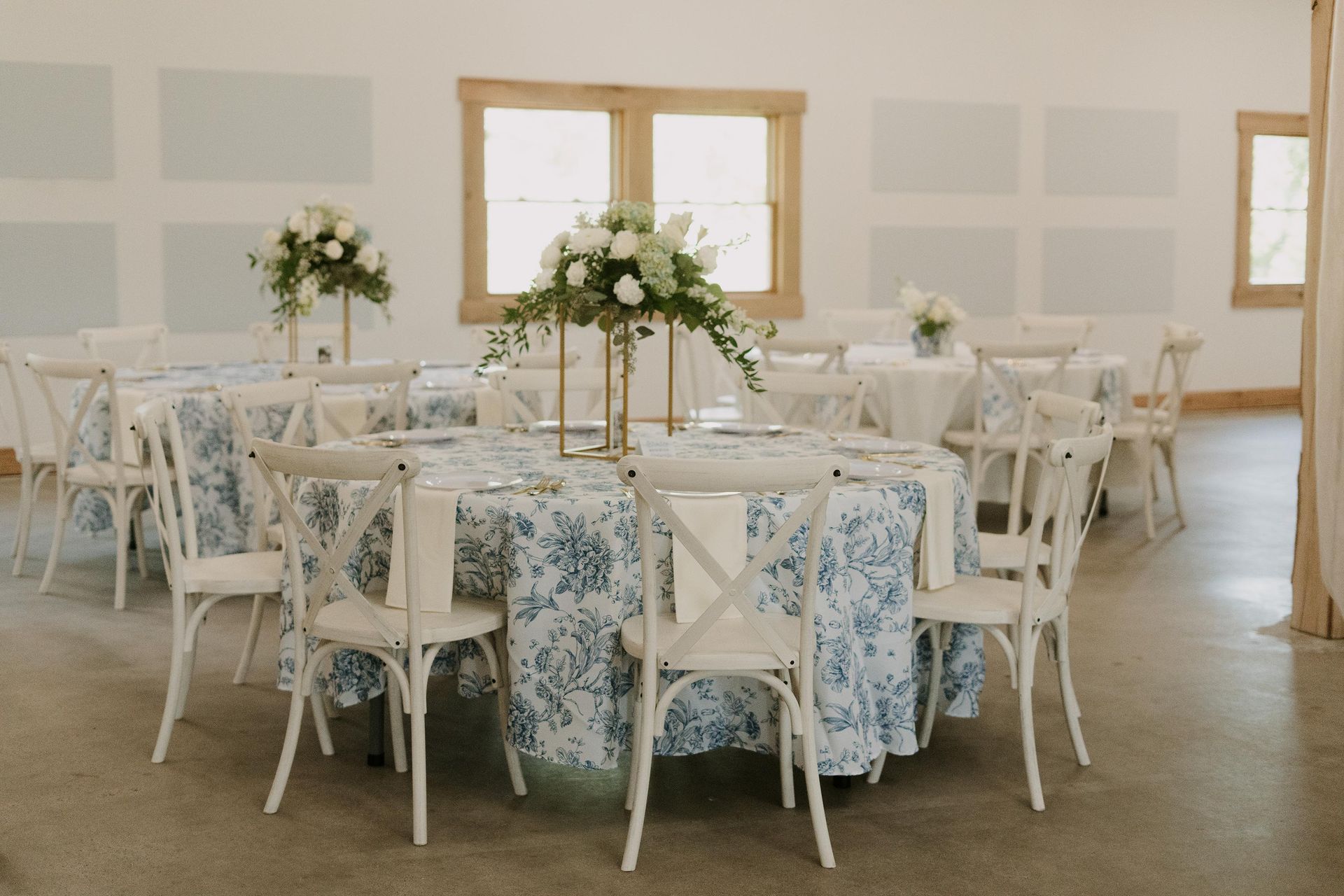
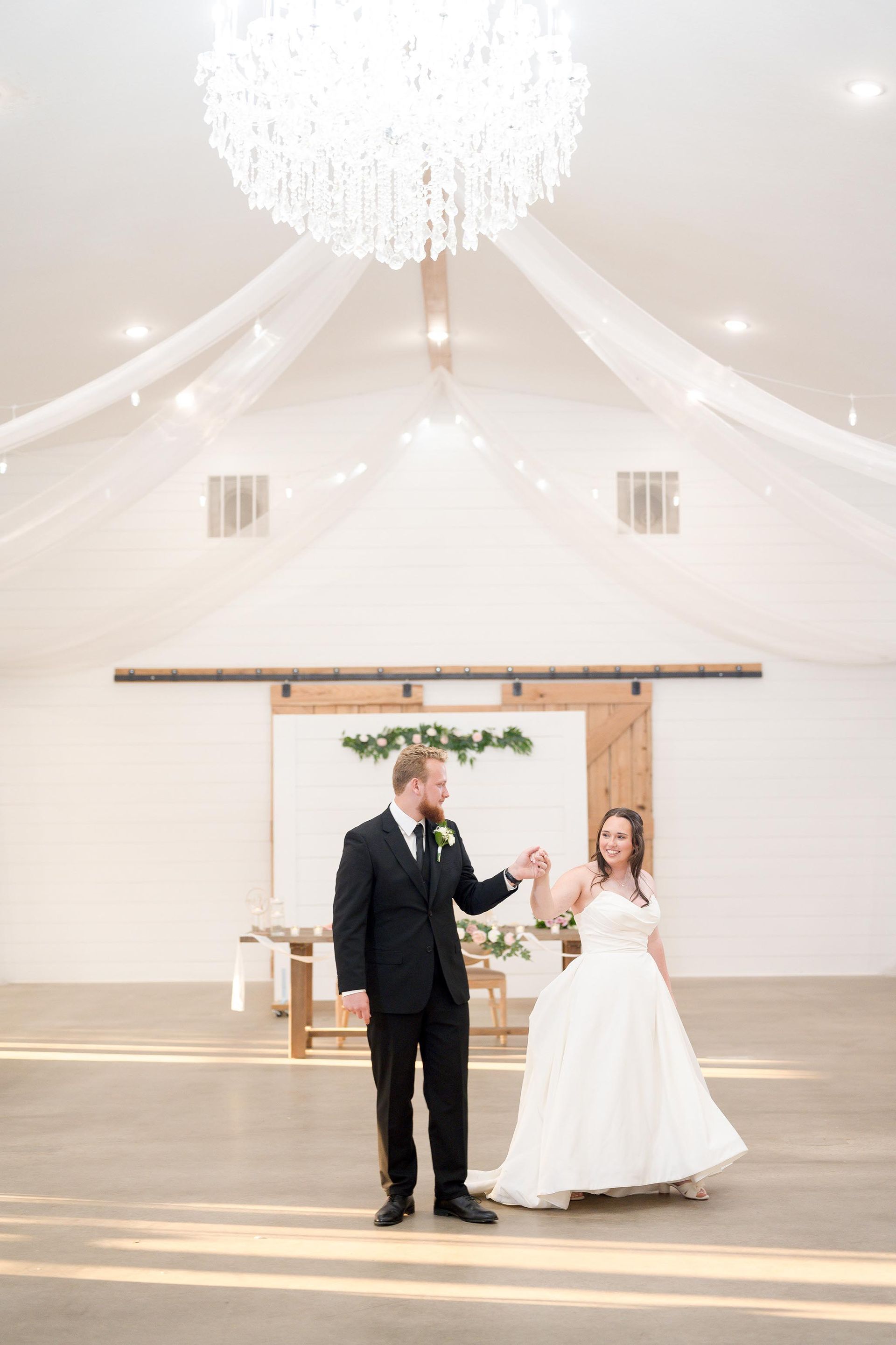
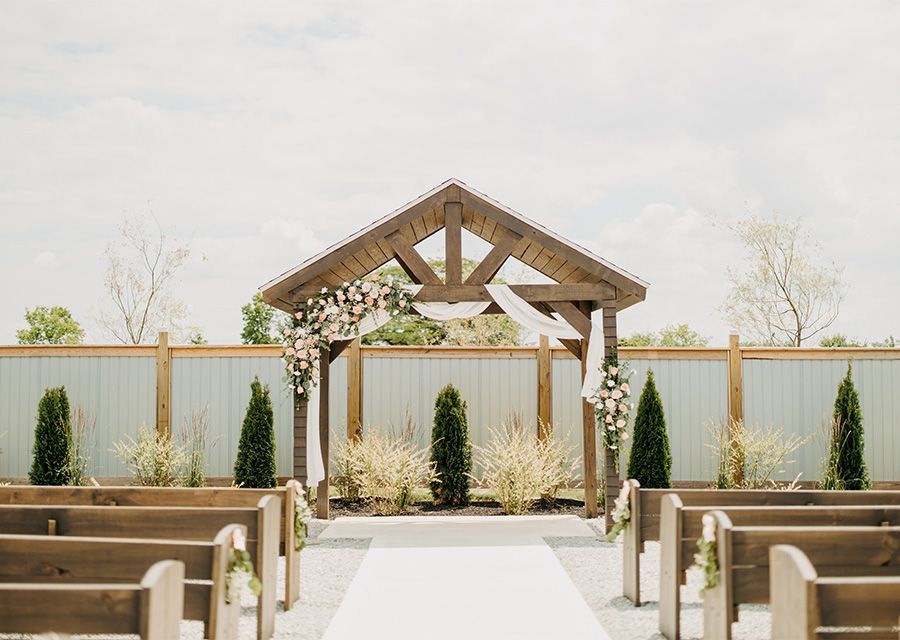
- Spaces. Main reception hall, outdoor garden, bridal suite, groom room, catering space, and various outdoor photo locations.
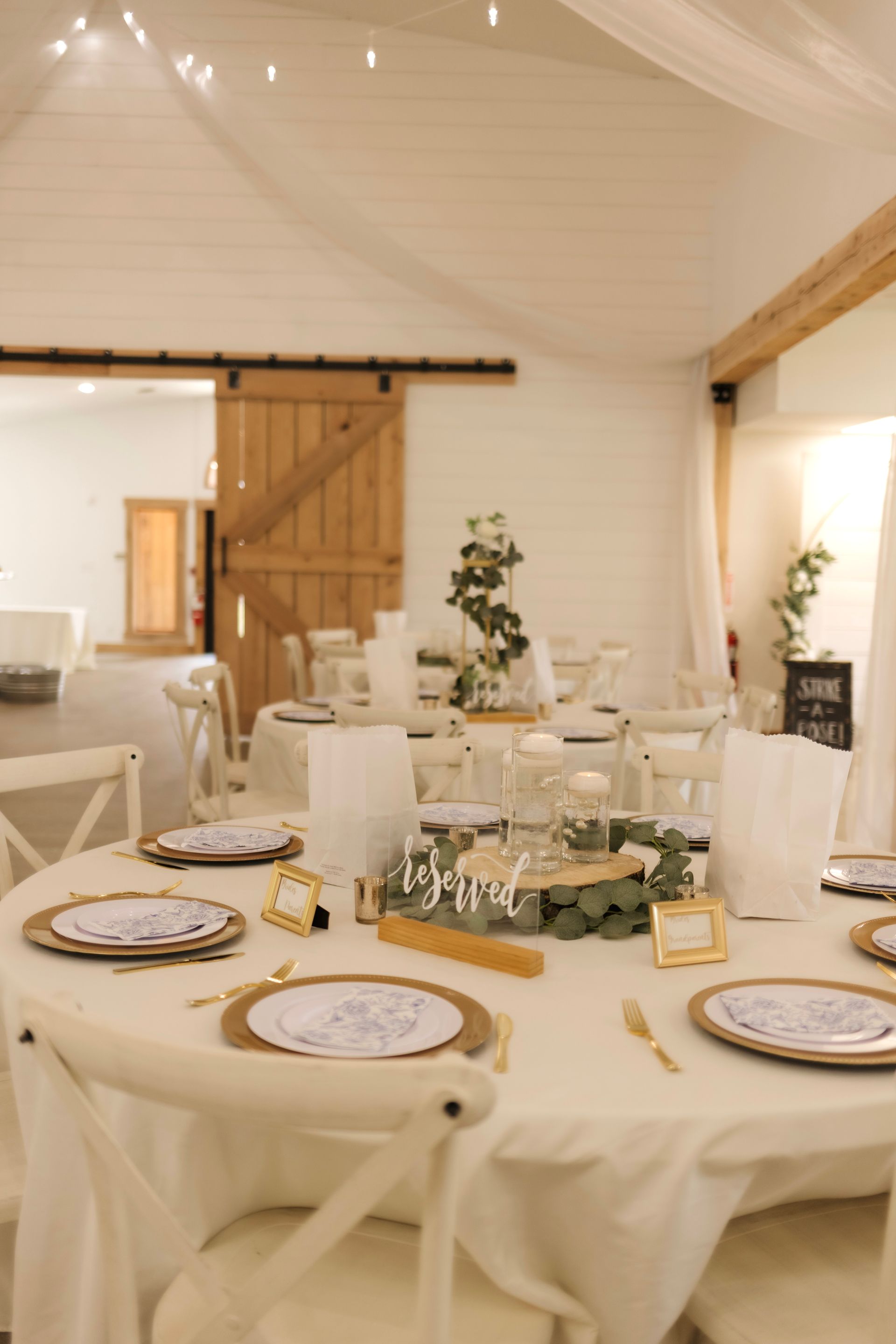
- Furniture. 35 round tables, 4 farm tables, 350 chairs, 11 catering tables, 11 standard cocktail tables, 3 wooden cocktail tables, and 3 backdrop options.
- Services. Parking crew, staff team, a final details meeting with the director, and a one-hour rehearsal before the event.
| Cost Factor | Why It Changes the Budget | What to Ask |
|---|---|---|
| Season | Spring, summer, fall, winter, and holiday weekends are priced differently. | Which season is your date in, and does pricing change by year? |
| Day of week | Fridays, Saturdays, Sundays, weekdays, and holidays carry different demand. | Is your preferred day priced differently from nearby dates? |
| Inclusions | Tables, chairs, suites, ceremony space, rehearsal time, and staff can remove separate rentals. | What is included without an add-on? |
| Guest count | Capacity, layout, parking, catering flow, and ceremony seating all depend on attendance. | Can the space support your target count comfortably? |
| Rules | Alcohol, vendor, decor, access, cleanup, and timing rules all affect the real budget. | What rules should your vendors know before they quote? |
What the 2026 Pricing Actually Looks Like
Rather than describing the range in the abstract, here is the published 2026 package pricing, by season and day:
| 2026 Season | Friday | Saturday | Sunday |
|---|---|---|---|
| Spring — April to May | $5,500 | $6,500 | $6,000 |
| Summer — June to August | $6,000 | $7,000 | $6,500 |
| Fall — September to October | $6,000 | $7,000 | $6,500 |
| Winter — November to March | $5,000 | $6,000 | $5,500 |
| Holiday weekends | — | $7,000 | — |
| Weekday — Monday to Thursday | $3,500, any weekday | ||
All rates plus sales tax. Pricing as published on the wedding packages page; confirm current rates before finalising a budget.
Two things stand out. The spread between the least and most expensive date is roughly double — a Monday in February against a Saturday in June is a $3,500 decision on the rental line alone. And 2027 pricing is currently published at the same rates as 2026, so booking further out does not presently carry an increase.
Why Day and Season Matter
Wedding demand is not evenly spread across the year. A Saturday in a popular month is not the same planning product as a weekday, a winter date, or a Sunday celebration. Couples who want flexibility can look at off-peak seasons or weekday options. Couples set on a high-demand Saturday should expect the date conversation to happen earlier.
This is not only about price. Season affects ceremony comfort, photo timing, sunset, vendor availability, guest travel, weather planning, and how the indoor and outdoor spaces get used across the day. A good budget conversation covers the date, but it should also cover how the day moves from getting ready to ceremony to reception.
Inclusions Can Beat Discounts
Couples often ask for the rental cost before they know what they would otherwise need to rent. Furniture, suites, prep areas, ceremony space, backup indoor space, rehearsal access, parking help, and staff support each affect the final number. When those are included, the venue removes outside rentals and a good deal of vendor coordination along with them.
The useful comparison is not venue price against venue price. It is a finished event plan against a finished event plan. One package may cover enough of the core day to simplify planning; another may look cheaper but require more separate decisions. Ask each venue to explain the full rental picture at their modern barn venue or wherever you tour, not just the first number.
Budget Questions to Ask on a Tour
- What is included in the base rental? Ceremony space, reception hall, suites, tables, chairs, catering area, rehearsal, parking, and staff support.
- What sits outside the package? Taxes, permits, insurance, extra hours, vendor needs, rentals, decor, cleanup, and alcohol service rules. At The Covenant Place, for example, beer and wine must be served by a licensed bartender and a one-day temporary permit is required.
- What happens if the weather changes? Ask how the indoor backup space works and when the call gets made.
- How long is venue access? Access time shapes vendor setup, getting ready, photos, ceremony, reception, cleanup, and stress. The Covenant Place publishes 7am to 12am — a 17-hour window.
- Which date options change the budget? Ask whether weekday, Sunday, winter, or non-peak dates open a different planning path.
Put It in Writing Before You Book
Before you book, the package conversation should become a written plan. That plan should name the date, season, access hours, included spaces, furniture, setup rules, rehearsal timing, vendor requirements, alcohol policy, ceremony backup, decor limits, cleanup expectations, taxes, and the person who answers planning questions after the contract is signed. The written version matters because wedding planning moves quickly once a date is reserved.
A tour can make you fall in love with a venue, but the contract keeps the day organised. Take notes during the walkthrough, then compare those notes against the package page and the agreement before paying a deposit. If a detail affects budget, guest comfort, vendor timing, or weather backup, it should not live only in memory.
Save the package page or written proposal used during booking, too. If furniture counts, access windows, pricing, or venue policies change later, that saved record brings everyone back to the same planning assumptions.
Frequently Asked Questions
What affects wedding venue costs in Indiana?
Season, day of week, guest count, access hours, inclusions, taxes, vendor rules, alcohol policies, ceremony options, and backup space all affect the real budget.
Should couples compare only the venue rental price?
No. Compare what the rental includes, what must be rented separately, and how much coordination the package removes.
Does The Covenant Place publish wedding pricing?
Yes. The wedding packages page lists current pricing by season and day, for both 2026 and 2027. Check the live page before using any number in a final budget.
Can an off-peak date reduce venue cost?
Often, yes. A Monday-to-Thursday date is published at $3,500 against $7,000 for a peak Saturday, so weekday, Sunday, winter, and non-peak options are worth asking about.
A wedding venue budget should help you see the full day, not just the room rental. The Covenant Place gives couples a clear place to compare package inclusions, date options, indoor and outdoor spaces — up to 350 guests across both — and the details that shape the final event plan.