A good reception timeline isn't a schedule guests can feel. It's a sequence that keeps everyone moving comfortably from ceremony to sendoff, with enough slack that weather, photos, and dinner service don't collide.

Build a barn wedding reception timeline by fixing the order first — arrival, ceremony, cocktail hour and portraits, reception entrance, dinner, toasts, dances, dessert, sendoff — then assigning times that match your ceremony start, catering style, photo list, and the venue's access hours. Add buffers after the ceremony, before dinner, and before the sendoff, and settle the weather plan long before the wedding week.
Start With Movement
Before you assign a single time, walk the day from a guest's point of view. They park, find the ceremony, look for a restroom, sign the guest book, take a seat, move to cocktail hour, find a drink, read the seating chart, enter the reception hall, and eventually head toward dessert, dancing, or the door. Every one of those steps takes minutes that rarely appear on a draft timeline.
Barn venues usually mix indoor and outdoor space, which is most of what gives the day its texture. It also means the seams between spaces need to be obvious. When an outdoor ceremony ends, guests should immediately understand whether they're staying put, walking toward the hall, heading for a drink station, or waiting while family photos begin.
Very little is required to solve this. A coordinator, an usher, a sign, or one clear announcement from the DJ keeps guests from hovering near the ceremony seats wondering what happens next. It matters most for older relatives, families with small children, and anyone who has never been to the property before.
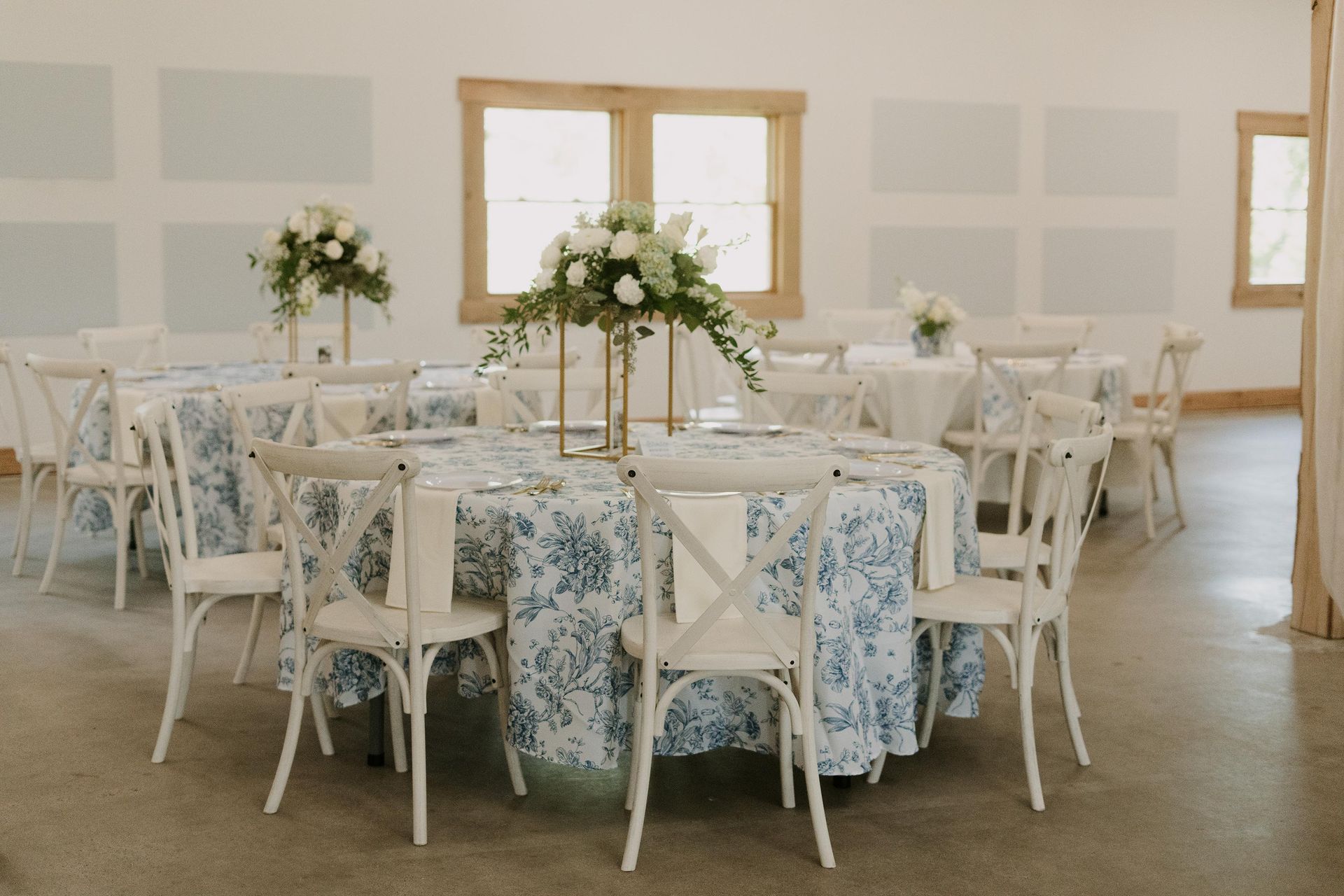
At the modern barn venue, that walk crosses on-site getting-ready spaces, an outdoor garden ceremony area, outdoor photo locations, a reception hall, and a separate catering space. Because each area has a defined job, the timeline can follow the property rather than fight it — which is the difference between a schedule couples have to enforce and an evening that simply moves.
A Sample Flow
Treat the sequence below as a planning model rather than a schedule. Set the order first, confirm it against your ceremony time, catering style, photo list, sunset, and venue access hours, and only then write times next to it. Timelines built the other way around tend to break at the first delay.
The figures below are the planning defaults most coordinators start from. They're a sanity check for a draft, not a rule — the venue's access hours and your caterer's service plan override every one of them.
| Segment | Common Starting Range | What Usually Stretches It |
|---|---|---|
| Arrival | Doors 30 minutes before the ceremony; 45 if parking involves a walk. | A single entrance, or guests arriving in one cluster. |
| Ceremony | 20 to 30 minutes for most non-religious ceremonies. | Readings, unity moments, a large wedding party, a full service. |
| Cocktail hour | 60 minutes with a first look; closer to 90 without one. | A long family photo list, or groupings gathered on the spot. |
| Dinner | Roughly 30 minutes per 100 guests through a double-sided buffet; 45 to 60 minutes for plated service. | Service style far more than guest count. Confirm with the caterer. |
| Toasts | 3 to 5 minutes per speaker, with three or four speakers. | Speakers who weren't given a length in advance. |
| Open dancing | 90 minutes to two hours before the sendoff. | Dessert served early, which reads to guests as a closing cue. |
First Look, or Not
The first-look decision moves a reception timeline more than most couples expect, and it's worth making early for that reason alone.
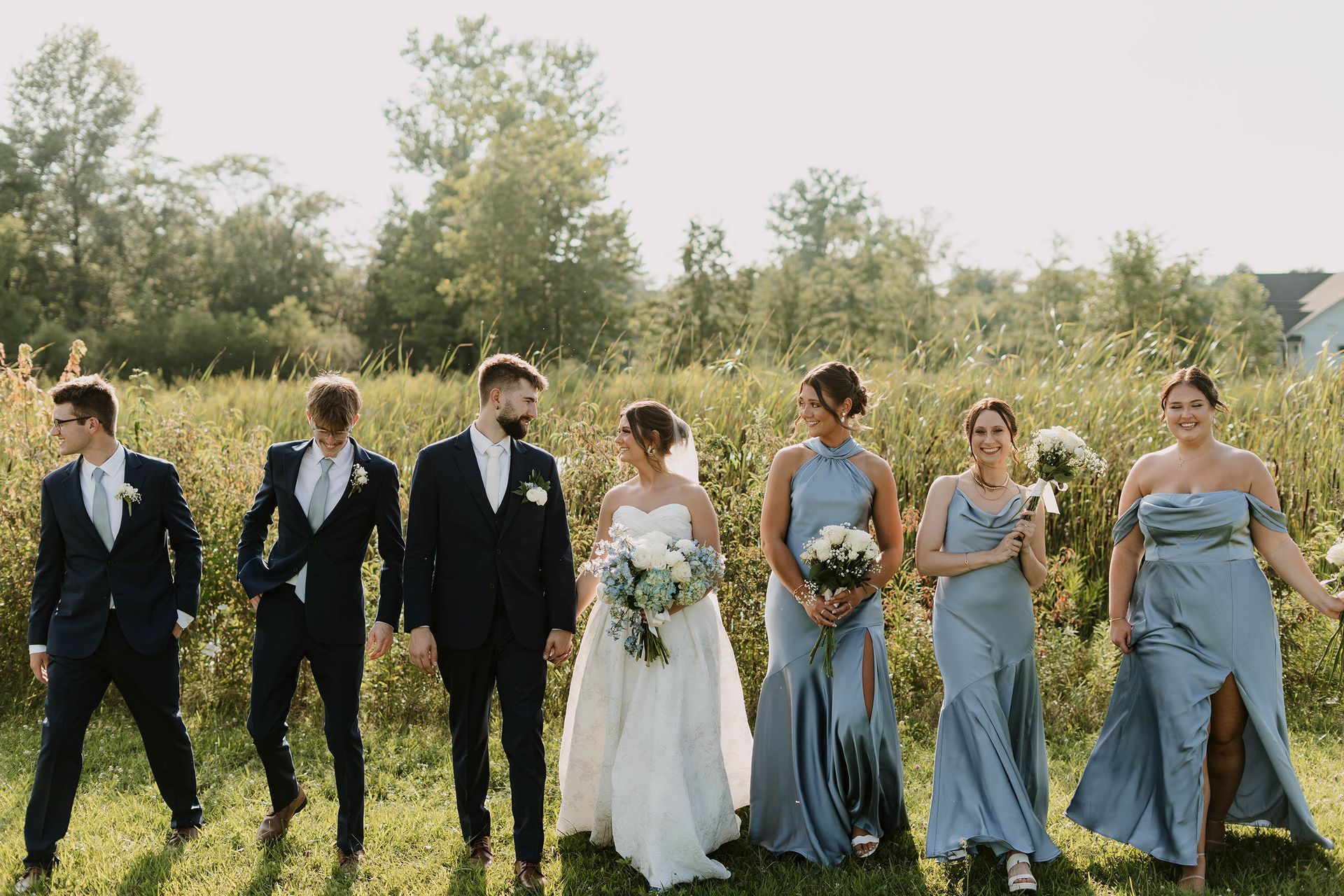
If the couple sees each other before the ceremony, a good share of the wedding party portraits, couple portraits, and family groupings can be finished earlier in the day. Cocktail hour then feels lighter, because fewer formal photos are still outstanding and the couple can rejoin guests sooner.
If the couple waits until the ceremony, cocktail hour absorbs most of the portrait work. That's still a lovely choice — it just has to be reflected honestly. Keep the family photo list shorter and tighter, make sure the wedding party knows exactly where to go after the recessional, and give guests enough food, drink, music, and seating for a longer wait.
Neither option is the correct one. The failure mode is choosing the second and building a timeline that assumes the first.

Toasts, Cake, Sendoff
Toasts land best once guests have food in front of them and the room has settled. Where you can, group the speakers into one stretch of the evening so the DJ, caterer, and photographer all understand the rhythm. A short welcome toast before dinner works nicely; the longer speeches almost always play better after people have eaten.
Parent dances and open dancing follow once tables are cleared and the room has shifted into party mode. Cake cutting, dessert, coffee, or a late-night snack are best treated as a room refresh — guests who aren't dancing get something to do, and the couple gets another natural photo moment without stopping the night cold.
Be careful with dessert timing. Cake cutting and coffee service tell guests, without anyone saying so, that the formal part of the evening is nearly over. Later in the night that's useful. Before the dance floor has found its energy, it flattens the party.
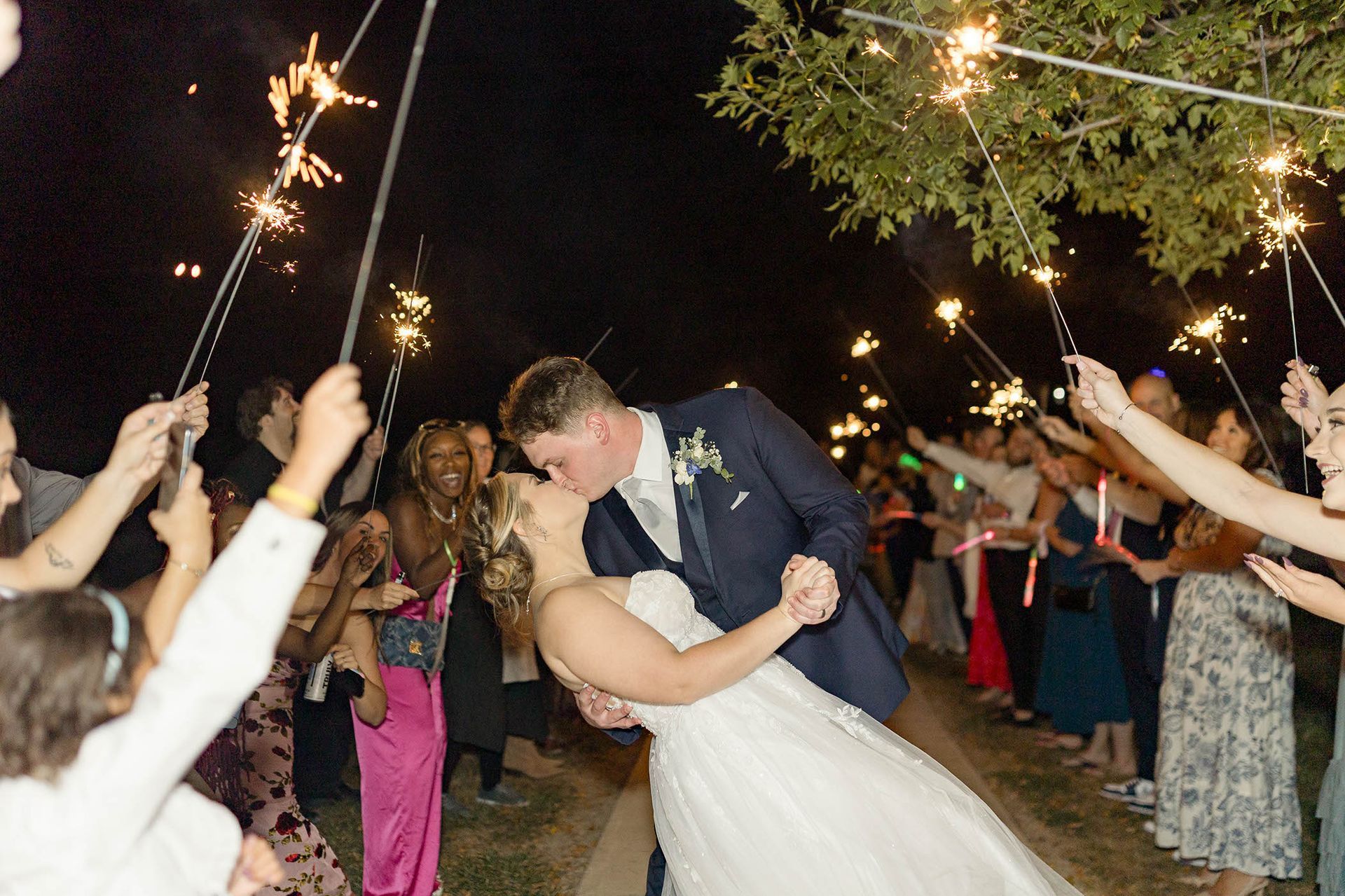
For the sendoff, work backward. A private last dance, a final outdoor portrait, a planned exit, or a quiet goodbye all need time before cleanup begins. A last dance is also a gracious cue — it gives the DJ or band a clean way to close, gives guests one shared final moment, and lets the coordinator move everyone toward the exit without the ending feeling abrupt.
End-of-night items need an assigned owner, not a hopeful intention. Decide who is taking each of these home before the day arrives:
- Personal decor, signage, and anything you brought in yourselves.
- Gifts and the card box, which should have a named person and a locked car.
- The guest book, photos, and keepsake items.
- Leftover cake or dessert, including who supplies the containers.
- Rental pieces, and the return window they have to make.
Every one of these takes two minutes when it's assigned and half an hour when it isn't. Confirm cleanup expectations with the venue at the details meeting so the list is settled well before anyone is tired.
Buffers That Earn Their Place
Buffer time is what keeps a timeline from being brittle. It isn't padding spread evenly across the day — it belongs in specific places: after the ceremony, before dinner, around sunset photos, before major announcements, and before the sendoff.
The weather plan deserves a buffer of its own. If the ceremony is outdoors, ask when the call is made, who makes it, where guests go instead, and how vendors are notified. That conversation should happen at the details meeting, not on the morning of the wedding. The wedding packages page notes that the main hall can host both ceremony and reception if weather becomes an issue, so the indoor option exists — what you want in the timeline is the decision point and the reset time attached to it.
Portraits need room too. A long family list, a large wedding party, or a couple who want golden-hour photos all have to appear in the timeline rather than being absorbed by optimism. Your photographer can tell you what's realistic; the useful version of that conversation happens while the timeline is still a draft.
Let Inclusions Do Work
The wedding packages at The Covenant Place list the reception hall, outdoor garden, bridal suite, groom room, catering space, outdoor photo locations, tables, chairs, cocktail tables, a staff team, a parking crew, and a one-hour rehearsal before the event. Read that as a set of timeline tools rather than a feature list.
On-site suites cut travel out of the morning, which is where most timelines lose their first half hour. Included furniture removes a round of layout decisions. Cocktail tables give the ceremony-to-dinner transition somewhere to happen. A dedicated catering space keeps service organised away from the guest-facing room. And a rehearsal is the only chance to walk the movement before it counts — use it for the processional, the recessional, and where everyone goes immediately afterward.
Bring a draft timeline to your tour or planning conversation. It doesn't need to be finished. It needs to show where you want the day to feel slow, where guests will need direction, and where vendors need setup time. Those three things are what the venue can actually help you fix.
Frequently Asked Questions
What is a good reception timeline for a barn wedding?
A practical barn wedding reception moves from guest arrival to ceremony, cocktail hour and portraits, reception entrance, dinner, toasts, dances, open dancing, dessert, sendoff, and cleanup. The timing should match venue access hours, catering style, photo needs, and the weather plan.
How long should cocktail hour be?
Long enough for guests to get drinks and appetizers while portraits happen. Sixty minutes is a common starting point, and closer to ninety when there's no first look. The real length depends on the family photo list, bar setup, and how quickly guests can move into the hall.
Should the first dance happen before or after dinner?
Both work. A first dance right after entrances gathers attention while the room is already watching. After dinner feels more relaxed if guests need to eat first or the caterer needs a clean service window.
How should rain be handled in the reception timeline?
Ask the venue when the weather decision is made, who makes the call, how guests will be directed indoors, and how vendors reset if the ceremony or cocktail hour moves. Put that plan in the timeline before the wedding week, not the wedding morning.
When should couples finalize the wedding timeline?
Once the ceremony plan, caterer, photographer, DJ or band, bar service, venue access, and cleanup expectations are all confirmed. Then send one final dated version to every vendor so the whole team is working from the same plan.
A timeline reads very differently once you can stand in the space it describes. Bring your ceremony time, guest count, catering style, and photo list, and walk the sequence through — arrival, ceremony, cocktail hour, entrance, dinner, dancing, sendoff — in the rooms where it will actually happen.